
A leading UK-based specialist in smart electrical switchgear and critical power systems is expanding into the United States to fill the engineering equipment, skills and services gaps created by an unprecedented boom in data centre construction.
Prism Power Group, with its HQ in Watford, is looking to purchase a U.S business that already has UL Certification (for compliance, safety and quality assurance regulations) and is raising 40million USD for the acquisition and expansion in the UK.
With surging data centre demand (fuelled by the rapid expansion of artificial intelligence, cloud computing and digital services) straining power infrastructure and outpacing domestic capacity, U.S. developers are actively seeking trusted overseas suppliers to simply keep pace and projects on track.
Prism is very well-placed to take advantage, having forged its reputation on delivering complete mechanical and electrical infrastructure for modular data centre initiatives in the UK and across Europe since 2005. Its engineers have executed a variety of end-to-end installations, from high-voltage substations and backup generators to the low-voltage switchboards that safeguard servers, in tightly scheduled, turnkey data centre projects.
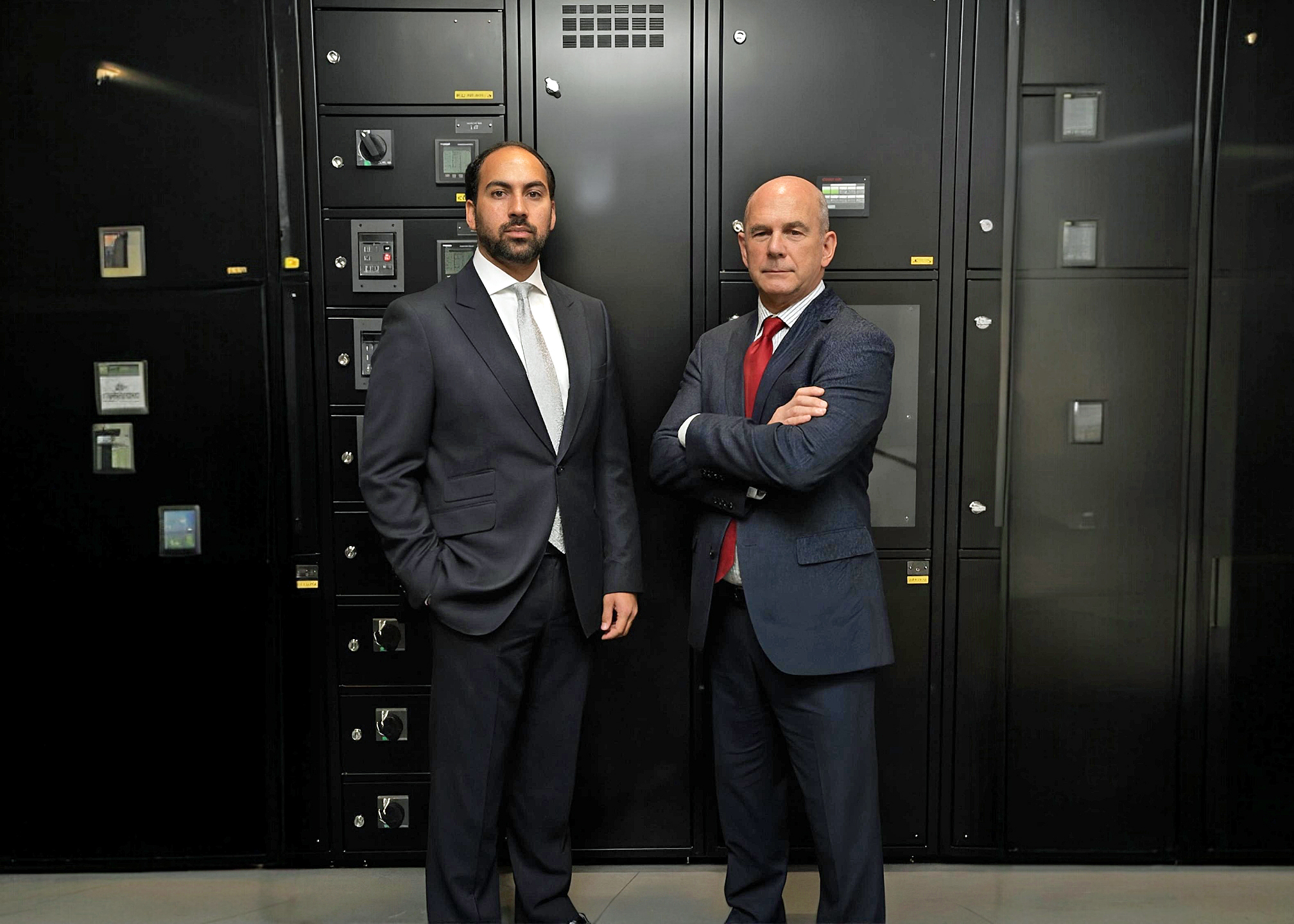
Adhum Carter Wolde-Lule, Director at Prism Power Group, explains: “The scale and urgency is such that America’s data centre expansion has become an international endeavour, and we’re again able to punch well above our weight in providing the niche expertise that’s missing and will augment strained local supply chains – on the ground, straight away.
“Major power manufacturers in the United States are ramping up production, while global giants have announced new stateside factories for transformers and switchgear components, aiming to cut lead times and ease the backlog – but those investments will take years to bear fruit and that is time the U.S. data centre market simply doesn’t have.”
Keith Hall, CEO at Prism Power Group, adds: “For overseas engineering companies like us with uniquely skilled contractors and technicians, plus a proven track-record in modular power systems that can be built off-site, the time is now and represents an exceptional opening into the world’s fastest-growing infrastructure market. Equally, for the U.S. sector, the willingness to look globally for critical power systems excellence will prove vital in keeping their ambitious build-outs on schedule and preventing the data centre explosion from hitting a capacity wall.”
Editor’s Notes: Tech giants like Amazon, Google, and Microsoft already operate over 520 data centres across America, with more than 400 additional facilities under construction or development to meet skyrocketing demand. Industry analysts estimate over 100 gigawatts of new data centre capacity could come online between 2024 and 2035, approximately ten times the peak electricity use of New York City last summer. This breakneck growth is stretching the limits of U.S. infrastructure and exposing critical bottlenecks in power supply and construction resources.
The strain is most acute in regions at the forefront of the data centre boom. In Northern Virginia – the country’s largest data centre market and a rush of projects has led to multi-year delays for new power connections as utilities race to reinforce high-voltage infrastructure. Silicon Valley is facing similar challenges: in Santa Clara, California, two massive state of the art data centres built for AI workloads are standing empty awaiting electricity. Local officials say the city-owned utility is still upgrading its grid and sequencing power delivery to customers as new substations come online, meaning these data centres may sit empty for years until sufficient power arrives.
Behind these delays is a nationwide crunch in critical electrical equipment and services. Data centres require high-voltage switchgear, circuit breakers and medium-voltage equipment and are facing U.S. market shortages of around 40%, 25% and 20% respectively.
Key components like large power transformers now have lead times averaging around 120 weeks (over two years) in the U.S., with the biggest units taking up to four years to be delivered. That’s a dramatic jump from just a few years ago, when lead times were under one year, and it has become a major scheduling risk for new projects.
The supply chain struggles extend beyond hardware. Specialised electricians, equipment installers, and maintenance engineers are in such demand that contractors report backlogs of 12 months to staff new projects. This talent gap is forcing developers to stagger project timelines and raising concern about maintaining existing facilities. Data centres require round-the-clock expertise to manage power distribution, cooling systems, and emergency back-up power; however, the talent pipeline is lagging behind the industry’s rapid growth. Without enough qualified workers to build and operate these complex facilities, analysts warn that reliability and expansion plans could be constrained in the coming years.
For further information on the company visit: https://www.prismpower.co.uk/ while for partnership and investment queries email Adhum Wolde-Luhl: acw@prismpower.co.uk