

Leader in sustainable drainage solutions for almost 20 years introduces game changing GSHC system to UK market
As the UK faces its most severe water shortages in nearly a century*, this has become a significant challenge for new developments, particularly data centres for example which require millions of litres of water a year to maintain cool temperatures to protect servers.
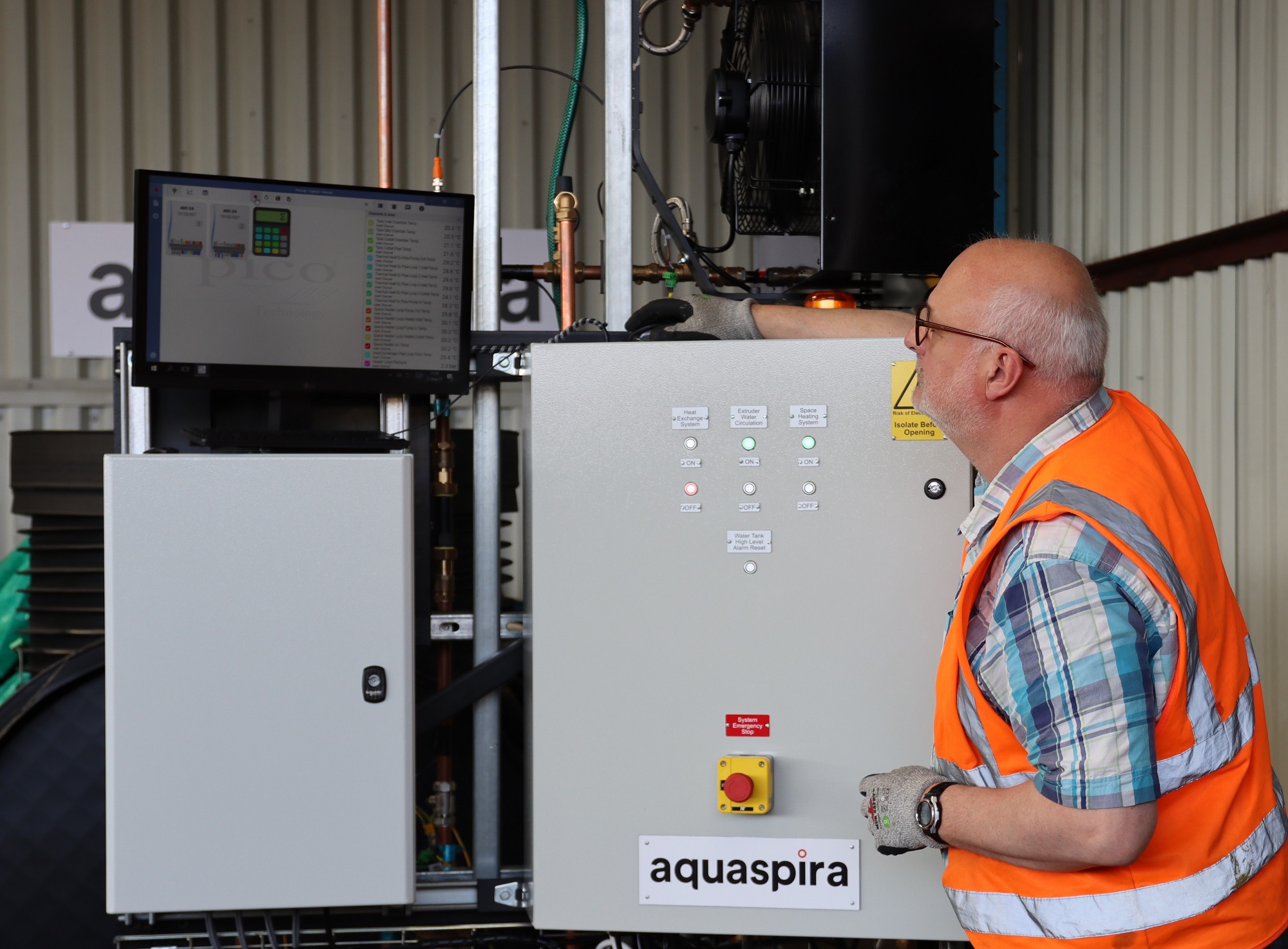
Aquaspira has invented a new product – the pioneering Ground Source Heating and Cooling (GSHC) System – an innovation designed to address the dual challenges of water scarcity and carbon reduction in the built environment.
Unlike traditional cooling systems that can consume millions of litres of water per year, GSHC technology operates as a closed-loop, without ongoing reliance on mains water supplies. This preserves precious water resources but also supports the government’s net-zero targets by significantly reducing carbon emissions as it also uses the earth’s stable temperature to provide efficient heating and cooling.
With the government’s push to make the UK a global AI leader, demand for data centre capacity is soaring. However, water-intensive cooling methods are unsustainable in regions already facing droughts and supply constraints. GSHC systems provide a scalable, low-water alternative, allowing digital infrastructure to expand without exacerbating local shortages.
Aquaspira’s GSHC system also offers benefits to other sectors within the built environment, such as large commercial buildings, schools and new residential developments.
The system uses the earth’s stable temperature to provide efficient heating and cooling which ultimately offers lower running costs, reduced carbon emissions and minimal maintenance all of which is a draw for house buyers. By harnessing renewable energy from the ground, GSHPs significantly reduce carbon emissions compared to fossil fuel-based heating systems, contributing to a lower carbon footprint for the development.
In summer, the system can also operate in reverse to provide cooling during warmer months, increasing occupant comfort. As an added benefit to the housing developer, homes with GSHPs may have higher property values due to their energy efficiency and reduced running costs. It can also be integrated into the design of the development from the outset, optimising the performance and efficiency.
As Aquaspira’s innovative closed-loop system doesn’t rely on mains-water, it also keeps the bills low and can help to unstick planning issues in areas such as Cambridge and the South East, where water scarcity is already delaying or halting new developments. By integrating GSHC systems, developers can futureproof projects against water restrictions and regulatory hurdles, supporting continued economic growth.
Rather than simply seeking partners, Aquaspira is positioning its GSHC System as a critical enabler for the UK’s economic and technological ambitions. By adopting closed-loop, water-efficient climate control, the UK can unlock stalled developments, support digital infrastructure, and meet ambitious housing targets as the carbon emissions required to heat those are reduced – even in the face of mounting water scarcity.
Investing heavily in R&D, Aquaspira is collaborating with leading universities and securing Innovate UK funding to accelerate the development of low-carbon, smart infrastructure. The company’s sustainability milestones include generating 35% of on-site power from solar, eliminating landfill waste, and targeting a zero-carbon product by the end of the decade.
Aquaspira is now inviting forward-thinking developers, data centre operators, and public sector leaders to explore how GSHC technology can safeguard their projects against water shortages and regulatory risk – while advancing the UK’s decarbonisation agenda.
Neil Wallace, Managing Director, Aquaspira commented: “The UK’s built environment is at a crossroads, with water scarcity and the urgent need to decarbonise placing unprecedented pressure on our sector.
“Our GSHC System is a game-changer – enabling sustainable growth by delivering efficient heating and cooling without straining vital water resources. This technology empowers developers and operators to futureproof their projects, support net zero targets, and ensure resilience in the face of climate and regulatory challenges.”
*Water Scarcity: A Barrier to Growth and Innovation
- Recent reports from the Environment Agency warn that England could face a daily shortfall of 5 billion litres of water by 2055*, with regions such as the West Midlands, London, the South East, and East of England set to be severely water stressed by 2030.
- These shortages are already stalling major housing and infrastructure projects, particularly in high-growth corridors like Cambridge and the Oxford-Cambridge Arc, where water supply constraints could prevent the construction of up to 27,000 new homes – potentially costing the UK economy £11.7 billion**.
- In the North West, a drought has already been declared, and data centres – critical for the UK’s digital and AI ambitions – are under scrutiny for their massive water consumption.